Europe Day: Towards a more coherent pan-European election
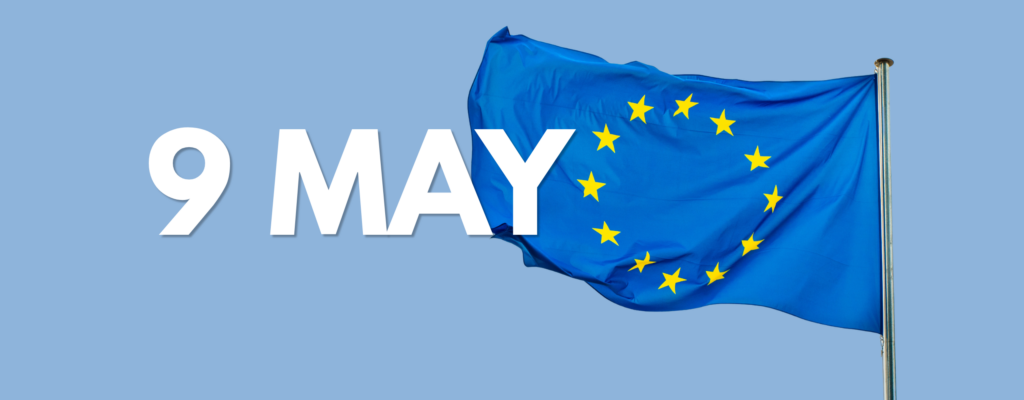
Today, 9 May, Europe Day is celebrated, marking the anniversary of the Schuman Declaration. On this day in 1950, Robert Schuman proposed a vision that moved beyond national competition toward a shared future of supranational cooperation. There is no better moment than this to reflect on the ongoing development and the resilience of the European electoral project.
A challenged but resilient democracy
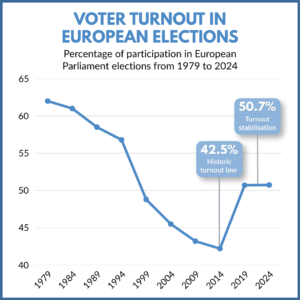
76 years after Schuman’s vision was first shared, the European Parliament elections have grown into one of the world’s most significant democratic exercises. Recent electoral cycles mark a pivotal shift in participation: after a decades-long decline, voter turnout has stabilised at approximately 50.7% in the last two European Parliament elections.
Amidst multiple global crises, the European Union has strengthened its legitimacy among Member States’ governments and citizens, resulting in a resilient, though challenged, supranational democracy.
Toward a truly European exercise
To foster a Union that truly resonates with its citizens, it is crucial to look beyond a collection of 27 separate national events and strive for a truly pan-European electoral exercise. Strengthening democratic legitimacy is a continuous effort to harmonise standards and ensure that every European vote is cast within a shared, cohesive framework.
While the current framework allows Member States to set their own election dates within a common period, a 2022 reform proposal by the European Parliament suggested, among other amendments to the Electoral Act, fixing 9 May as a single, unified European Election Day. This proposal underscores an aspiration of achieving greater cohesion in processes and visibility that reflects a shared European identity. Yet, to date, the reform package remains pending.
The path of electoral reform
A paradox emerges: while the EU has passed landmark digital regulations like the DSA and the AI Act, core electoral reforms regarding harmonised procedures often stall in the Council due to national sovereignty concerns. However, progress continues through Member States learning from one another—such as with the adoption of lower voting ages or enhanced multilingual accessibility.
As Robert Schuman famously noted, “Europe will not be made all at once”. Electoral reform is not a single, grand design but a gradual and pragmatic process. It is built through practical, small steps that steadily lead to a more coherent Union.
To continue this journey toward a more robust democracy, we advocate for the implementation of the recommendations stemming from our 2024 European Parliament Election Assessment Mission.
 Election-Watch.EU launches the Model Framework for Election Observer Accreditation Procedures
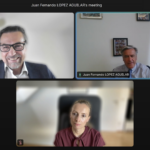 Exchange with MEP Juan Fernando López Aguilar on the future of European electoral reform
 Dr. Beata Martin-Rozumiłowicz joins Election-Watch.EU’s Advisory Board
 European Commission High-Level Event on Democracy